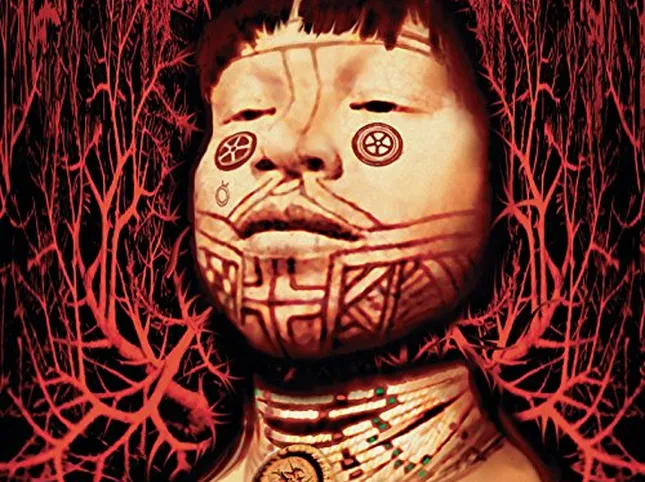
We would need another revolution like that of Sepultura
It’s 1996. While classic metal struggles under the blows of post grunge and alternative rock dominates the charts, four guys from Belo Horizonte decide to make an extreme gesture: go back to their origins. Not of the kind, but of the Earth itself. “Roots” arrives like a seismic earthquake that redefines the boundaries of extreme metal, bringing world music into the mosh pit. A monolith in the history of Burial and metal in general.
The Touch by Ross Robinson
If “Chaos AD” had introduced the groove, Roots embrace the mud. The choice of Ross Robinson (fresh from his success with Korn) is fundamental: Robinson doesn’t seek the technical perfection of the typical Bay Area thrash producers, he seeks “danger”.
Andreas Kisser And Max Cavalera they abandon standard tunings to move down towards a dense wall of sound, less oriented towards sharp riffs and more focused on sound pressure and low frequencies. The battery of Igor Cavalera it is not triggered: you can feel the wood, the skin and the sweat. The production values organic imperfection over surgical precision.
Tribal Integration, beyond sampling
The true technical revolution of “Roots” lies in the collaboration with the tribe of Xavante and with the percussionist Carlinhos Brown. Not to add “exotic sounds” over metal songs, but to build the rhythmic structures around the percussion.
The use of Berimbau, stringed instrument typical of capoeira (distinctly heard in “Attitude“), introduces a metallic but ancestral timbre, foreign to the canon of the genre. Not to mention the polyrhythm: brani like “Ratamahatta“ they blend samba, batucada and death metal. Cavalera transforms his kit into an extension of a Brazilian percussion drum kit, often replacing classic double bass drum fills with tribal syncopations.
In “Roots Bloody Roots” we hear a mharmonic inimalism on ultra-low tunings, the definitive anthem of nu-metal ante litteram; “Itsári“ it’s an rregistration field-recording in the jungle with the Xavante; “Dictatorshit” fuses hardcore punk and thrash speed, a nod to the band’s angry, political roots.
Every song on this album has something to tell, as always happens when faced with masterful works.
The “patient zero” of nu metal
Without “Roots”the metal landscape of the 2000s would be radically different. The album cleared the idea that heaviness didn’t just come from speed, but from groove and tuning. Bands like Slipknot, Soulfly (obviously) and even Deftones have drawn heavily from the “mud and tribes” aesthetic pioneered by Sepultura.
It was the creative pinnacle of the classical formation, but also the beginning of the end. Shortly after the tour of “Roots”the break between Max Cavalera and the rest of the band would change the history of the group forever.
Recording with Xavante was not just an artistic choice, but a logistical challenge. Bringing generators and analog recording machines to the heart of Mato Grosso in 1995 is an undertaking that today, in the era of plugins, seems pure romantic madness.
Thirty years later, the drumbeat of “Roots” hasn’t lost a decibel of power. A reminder of how innovation often comes by looking back the deepest roots of man.