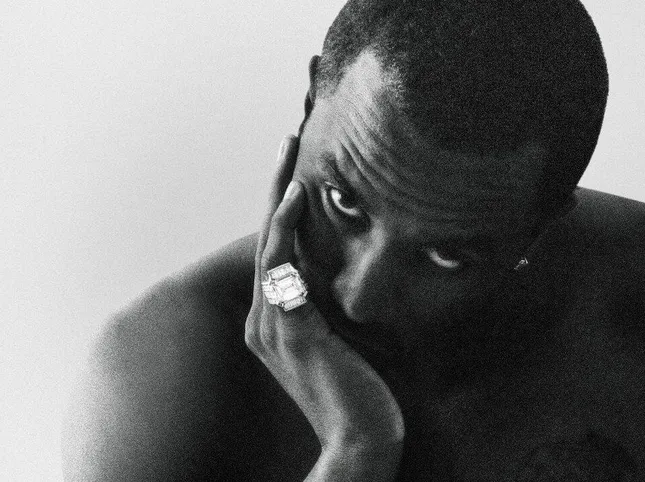
The five shocking moments of the Puff Daddy series
The new docuseries “Netflix Sean Combs: The Reckoning” comes as a punch to the stomach not only for what he tells, but for when and how he does it. Among the most disturbing materials are unreleased footage and private footage taken very shortly before the arrest of Sean “Puff Daddy” Combs in September 2024: images that show a man still immersed in his obsession with image control, with public exposure, with the very act of being filmed. A craving for celebrity which, in hindsight, seems to have backfired on him.
The series is executive produced by 50 Cent, a detail that is anything but neutral, given the historic rivalry between the twoand arrives with a now defined judicial framework: in 2025 Combs was sentenced to 50 months in prison, although he was acquitted of the most serious charges, including those related to sex trafficking and prostitution. If the portrait that emerges is that of a profoundly dark and toxic character, the documentary is however at the center of strong criticism on the construction of the narrative, accused by many of forced editing, interviews inserted at the wrong time moments and a tendency to construct a real “monster narrative”. Elements that lead the series to derail from any track linked to the idea of building “an investigation” and closer to a “show” approach. Despite the controversies, the series contains sequences that remain with us. Here are five moments that leave an impression on the viewer.
The crowd and the dead – Episode 1
The documentary reconstructs the tragedy of the City College of Harlem: crowds in panic, bodies crushed, screams. Nine people die during an event sponsored by Combs. The montage juxtaposes images of chaos and blood at the beginning of his public rise. The sensation is disturbing: the tragedy seems to become a narrative background useful “to emerge”. No rhetoric, just bodies and confusion which can then paradoxically turn into “an opportunity”.
The Baseball Bat – Episode 2
A former associate recounts a direct threat: Combs with a baseball bat in his hand, inches from his face. It’s not a metaphor: it’s pure intimidation. The story describes a climate of fear and control. The scene suggests that power was also exercised physically. Violence emerges as a method, which then also explodes on the sexual front.
The “Freak Offs” – Episode 3
The docu enters the most explicit chapter: private parties where women were treated like objects. Testimonials speak of pressure, money and humiliation. The term used is “sexual exploitation”, repeated without mincing words. There is no eroticism, only bodies that become consumption. The coldness of the stories makes everything chilling. Here power becomes systemic and depraved abuse.
Advances and Control over Artists – Episodes 3–4
Former collaborators talk about advances and grooming dynamics. Careers promised in exchange for silence or sexual availability. The documentary talks about unbalanced relationships, about psychological control. The testimonies are precise, without emphasis. Music becomes a framework for violated relationships. Talent as a bargaining chip. It’s a dive into oblivion.
The days before the arrest – Episode 4
Private footage shows Combs in the days leading up to his arrest. He is nervous, confused, repeats: “We are losing”. Legal conversations, intimate moments, total self-exposure. His team disputes the use of this material. The desire to be filmed becomes a trap. The last image is that of a man nailed by his own image, an obsession that becomes a communicative “suicide” and leaves the viewer with a feeling of annoyance and discomfort.