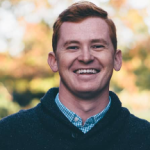
Noah Kahan’s fragile rock
In the era of dances on TikTok and songs that go viral thanks to often zany stunts, there is also room for stories like that of Noah Kahanbuilt without catchphrases, but through real songs, heavy words and a relationship of trust with the public, which has grown over time between sold out concerts, word of mouth and an American alternative radio which has returned to rewarding songwriting before the algorithm. Born in Vermont in 1997, raised in a rural context and far from the major musical centers, Kahan has built his identity on confessional writingdirect, often focusing on anxiety, isolation and mental health, becoming a recognizable voice for a post-pandemic generation seeking authenticity. The music is steeped in rock and folk. We already talked about him a few years ago (here is our article) when he jumped, after a long apprenticeship, to the top of the American charts. Here, he did it again.
The single “The Great Divide” is climbing the Billboard rock charts and already has on Spotify alone over 60 million streams. The striking fact is above all artistic: Kahan dominates the rock rankings with an intimate folk ballad, far from the more aggressive rock formulasdemonstrating how today even a fragile and introspective language can become central to the American mainstream. A path of ascent that began with the 2022 album “Stick Season”, his third projectwhich became a cultural case and remained in the charts for a long time, which laid the foundations for the current exploit. An album, among other things, which once again returned very high in the rankings. With the release of his new album “The Great Divide” set for April 24, 2026 and a North American tour already announced for the summer, it’s clear that Noah Kahan is no longer an indie outsider like he once wasbut a structural and stable presence in the rock and alternative charts of the United States.
The new album is described like this by the singer-songwriter: “From a long silence arises a gap, a vast expanse that demands attention. I scrutinize her. I see old friends, my father, my mother, my brothers, my old self, the great state of Vermont. I want to shout out these feelings, gesticulate wildly at the figures on the other side, but my voice has become hoarse and feeble after years of climbing a ladder toward those crazy, swirling dreams that materialized before me. Instead, I wrote them next to a piano in Nashville, by a pond in Guilford, Vermont, in a legendary studio in upstate New York, on a farm with a lookout tower in Only, TennesseeThen he continues: “The songs are the words I would say if I could. They are the fears I dance with in the moments before I drift off to sleep. The music here is my best attempt at dig deeper into people, places and sensations that made me who I am. I’m grateful for all of this, for all of you, for listening to them, if you choose to do so.”