From Maria Callas to Lady Gaga: Valentino and music
The death of Valentino Garavani, which occurred today at the age of 93, closes a fundamental chapter in the history of Italian fashion – but also in a constant dialogue with music. The couturier’s aesthetic has always found a natural reflection in music: in the muses, in friendships, in the sounds of advertising campaigns and even in the rhythm of his fashion shows, constructed as real visual scores.
Muses and musical friendships
Valentino had a deep relationship with many figures in the musical world.
Maria Callas was not only one of his most famous clients, but also a muse and a friend: together they contributed to building an imagery of elegance and drama, where voice and dress became expressions of the same intensity.
Mina and Ornella Vanoni were two other interpreters similar to her universe: strong, sophisticated, non-conformist women, who found a language in her clothes capable of amplifying their stage presence.
Valentino has also dressed many opera and pop singers for concerts and public appearances, transforming the musical performance into a total stage act. His clothes, constructed like theatrical works, have often contributed to defining the visual dimension of Italian and international music.
The soundtracks of fashion and the aesthetics of rhythm
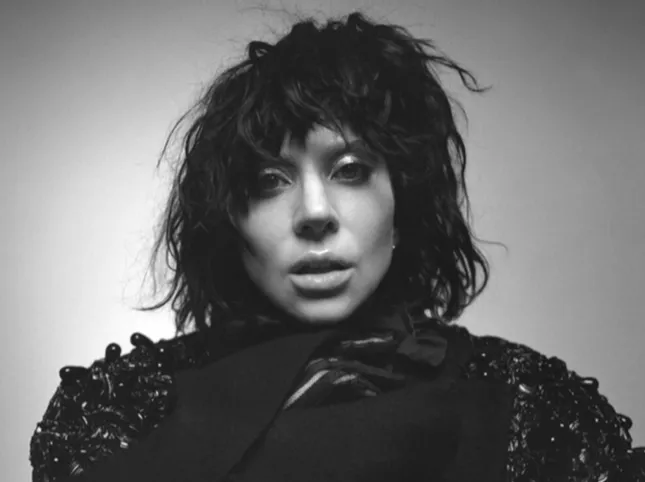
The connection with music has extended to advertising campaigns, often built around songs chosen to evoke the world of Valentino. Among the most relevant is that of 2020: Lady Gaga was the protagonist of the Voce Viva campaign. The collaboration with the American artist – already an icon of glamor and theatricality – united two visions of entertainment based on the same idea of expressiveness.
Valentino’s fashion shows also often had a precise musical construction: classical or minimalist soundtracks, selected to reflect rhythm, silence and emotional intensity. In this intertwining of elegance and melody, Valentino built one of the most recognizable aesthetics of the twentieth century, in which music and pop stardom played a fundamental role