Steve Lillywhite: “Working with the Stones was hell”
The 70-year-old producer Steve Lillywhite he has worked with a long series of front row artists in the rock world, first and foremost the U2but, as he said during a podcast interview Word in Your Earyour experience with i Rolling Stones it turned out to be one of the most complicated moments of his career.
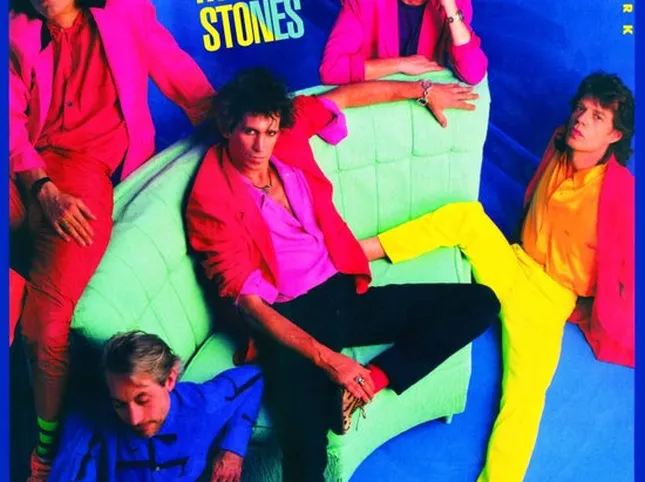
It was 1985 when Lillywhite was hired to produce the Stones’ 18th studio album, “Dirty Work”. The band was going through a tumultuous period, mainly due to the disagreements that existed between the two main souls of the group, Mick Jagger And Keith Richards.
Said Lillywhite: “I was working with Keith and Mick when they weren’t speaking to each other. They spoke to each other for maybe an hour the whole time we were recording the record. (…) It was hell. They literally weren’t in the same room.”
Steve Lillywhite he found himself filling an awkward role, acting as both peacemaker and interpreter between the two rockers. “One came to me and said ‘blah blah blah blah’. And I went and told the message to the other one who replied: ‘You tell him, blah blah blah’.” He compared his role at that juncture to that of a diplomat. “I say I was Henry Kissinger.”
“Dirty Work” it was released in March 1986 and was, despite the difficulties during the recording phase, a good success. Due to problems between Mick and Keith the album was not promoted on tour.
Lillywhite acknowledged how his experience with i
Rolling Stones
had undoubtedly been difficult, but also very instructive. On that occasion he learned how important it was to have people outside the band in the studio. “I learned that from the Rolling Stones, never stop people from coming into the studio. Always have an open-door policy. When people come in and listen to something, I kind of hear it through their ears. So there might be something that, subconsciously, I think isn’t quite right, but I haven’t figured it out yet. Whereas when someone is there listening and I play them a rough mix, I’m like, ‘I get it. Now I know what we need to change.'”