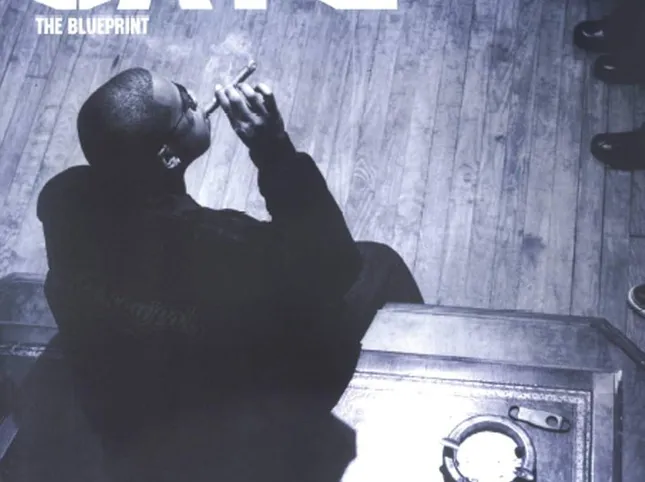
Jay-Z’s best album
Complex has compiled a complete ranking of Jay-Z’s albums, ordering them from least successful to absolute masterpiece. At the top of the list, without too many surprises, it dominates “The Blueprint” of 2001: the album that more than any other defines Hov’s artistic, cultural and historical greatness. Released on September 11, 2001, the same day as the attacks on the Twin Towersthe album has remained engraved in the collective memory, not only for the music, but also for the historical context in which it was released. In 2001 Jay-Z is the rap equivalent of Superman: unbeatable, dominant, seemingly conflict-free. Five successful albums in five years, a dizzying commercial and symbolic climb, a luminous aura which however risks becoming sterile. How do you tell a story when the protagonist never loses?
“The Blueprint” was born exactly from this question. Jay-Z’s sixth album is the moment in which the myth looks in the mirror, rewinds the tape of life. The former drug dealer turned tycoon, rapper and icon understands that the real danger is not defeat, but the weight of victory: envy, overexposure, loneliness. For this reason he decides to create what he himself perceives as a point of no return: “the great American rap album”, capable of starting a saga. Musically, “The Blueprint” is a statement of intent. Soul and classic productions curated primarily by Kanye West, Just Blaze and Bink bring rap back to its roots without sacrificing greatness. Hot sampling, clean facilities: nothing is superfluous. Every choice is functional to the story. From the opening of “The Ruler’s Back”, in which Jay consciously places himself in the genealogy of the greats, up to “Takeover”, diss track that attacks Nas“The Blueprint” makes one thing clear right away: Jay-Z doesn’t want to prove he’s the best, he wants to explain why he is. Even if Nas with the answer “Ether” will prove superior, hitting him in the heart.
The focus of the album is the construction of the Jay-Z character as a collective symbol. Songs like “Izzo (HOVA)” and “U Don’t Know” transform individual success into cultural redemption: wealth, ambition and even greed become tools of revenge for an entire community. Jay doesn’t just win for himself, he says he wins for culture. But it’s in the second half of the album that the mask really falls away. In “Heart of the City (Ain’t No Love)” and “Never Change” a new vulnerability emergesnever so explicit in his discography: disillusionment, memory, loyalty to his origins. “Song Cry” adds an extra layer of emotional maturity, introducing a complexity rare in mainstream rap at the time.
The ending is monumental. “Renegade” is a meta-rapped reflection on art, public perception and critical judgment, while “The Blueprint (My Momma Loves Me)” closes the album with a confession. Jay-Z talks without filters about what shaped him: his mother, his father’s absence, the neighborhood, the street. In the end, “The Blueprint” is exactly what the title promises: the scheme, the matrix, the model. Not just for Jay-Z’s career, but perhaps for 21st century rap. It is the album in which the king stops running, stops, opens the ancient book of ancestors and explains how he came to the throne.