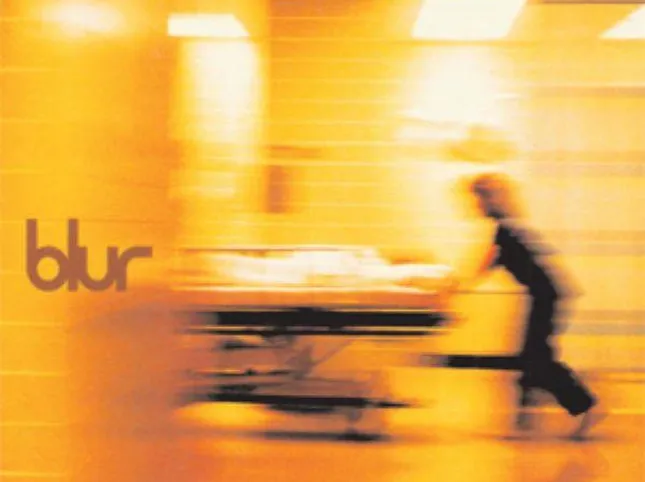
It’s a memorable day for Blur
On February 10, 1997 the album with which i Blur they killed Britpop so they could survive themselves. The album of the same name is the manifesto of an identity crisis resolved with noise, distortion and a radical change of geographical direction: away from the pubs of London, towards Iceland and the garages of the United States.
A necessary turning point
After “Parklife” and “The Great Escape”, Blur were ready to implode. While Oasis doubled down on stadium rock, Damon Albarn and Co. felt the burden of having become the “mascots” of British optimism. The push for change came from Graham Coxon. The guitarist, in the midst of an alcohol crisis and tired of Albarn’s orchestral and pop arrangements, convinced the band to look towards American indie rock: Pavement, Sonic Youth and Guided by Voices.
Produced by longtime collaborator Stephen Street, the album abandons sonic cleanliness to embrace a deliberately dirty aesthetic: Coxon experiments with extreme distortion and feedback. On songs like “Beetlebum,” the guitar doesn’t accompany the melody, but challenges it, creating frayed, hypnotic textures.
Alex James and Dave Rowntree stop playing “beat” to search darker and more syncopated groovesinfluenced by dub and hip-hop: see the use of the drum machine in “On Your Own”. Part of the album was recorded in Reykjavik: the rarefied atmosphere of the island is reflected in moments of pure melancholy like “Strange News from Another Star”.
The key songs
“Beetlebum“, the first single, was a shock: a slow, psychedelic ballad, clearly inspired by the Beatles of the white period but filtered through a sense of guilt and exhaustion. Albarn’s lyrics are a not-so-subtle reference to the heroin consumption that permeated his private life in that period (linked to his relationship with Justine Frischmann).
“Song 2” was born almost as a joke, to make fun of American grunge radio. It is Blur’s definitive paradox, two minutes of pure adrenaline, an iconic riff and that “Woo-hoo!” that made them famous in the USA, the only place where they were not yet stars. Technically, the strength of the song lies in the dynamic contrast between the “dry” verse and the explosion of the distortion-saturated chorus.
“You’re So Great” is the band’s first song sung entirely by Graham Coxon. It is a lo-fi track recorded on a four-track, full of hiss and imperfections, which represents the emotional heart of the record: the vulnerability that takes the place of pop arrogance.