Divine Comedy, a protagonist of “chamber pop”
When we talk about Divine Comedy we are actually talking about Neil Hannon, a Northern Irish singer-songwriter: his creation was born at the end of the eighties, but it was only in the mid-nineties that it gained the attention of the British and international public, establishing itself as one of the most original voices of the so-called “chamber pop”.
After the first three albums (“Fanfare for the comic muse”, 1990; “Liberation”, 1993; and “Promenade”, 1994) went almost unnoticed, the album of turning point and affirmation was “Casanova”, from 1996, which defined his style: cultured, theatrical pop, but at the same time catchy. The following year, with “A Short Album About Love”, Hannon attempted an entirely orchestral album, recorded with the London Symphony Orchestra.
Commercial success came with “Fin de Siècle” (1998), which contained the single “National Express”, a pungent photograph of British daily life. However, the same album also hosts more intimate pages, such as “Sunrise”, which delicately recounts the wounds of Northern Ireland.
At the end of the nineties Hannon published the collection “A Secret History” (1999). This is followed by “Regeneration” (2001), produced by Nigel Godrich (already alongside Radiohead), which reduces the orchestral imprint for a drier sound, and “Absent friends”, in which “Our mutual friend” stands out.
In the following years, Hannon published “Victory for the comic muse” (which contains “To Die a Virgin” and “A Lady of a Certain Age”, a bitter and compassionate portrait of a woman facing the passage of time). This is followed by “Bang Goes the Knighthood” (2010), “Foreverland” (2016) and “Office politics”, 2019, with some electronic experimentation.
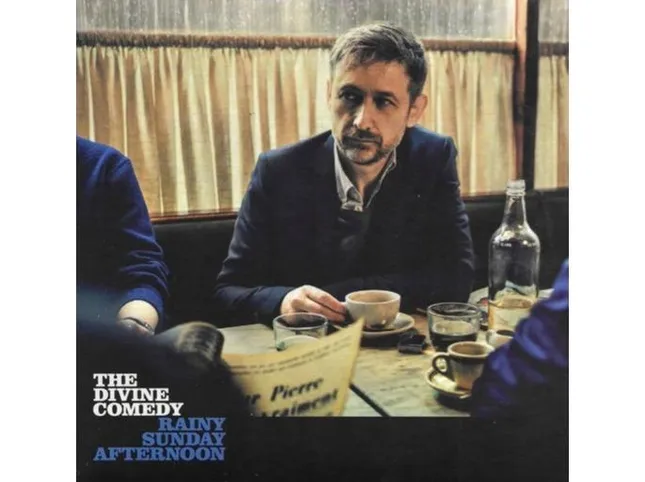
“Rainy Sunday Afternoon” (2025) it is the last chapter, released last autumn, which testifies to Hannon’s ability to reinvent himself without distorting himself and maintaining the ironic and melancholic pen and melodic talent that have always been his stylistic signature. “Achilles” is taken from this album, the last of the songs I propose below.
“Songs of love” (from “Casanova”, 1996)
“Something for the Weekend” (from “Casanova”, 1996)
“Everybody knows (except you)” (from “A short album about love, 1997)
“National Express” (from “Fin de siècle”, 1998)
“Generation sex” (from “Fin de siècle”, 1998)
“Sunrise” (from “Fin de siècle”, 1998)
“Gin soaked boy” (from “A secret history…”, 1999)
“Our mutual friend” (from “Absent friends”, 2004)
“To die a virgin” (from “Victory for the comic muse”, 2006)
“A lady of a certain age” (from “Victory for the comic muse”, 2006)
“Achilles” (from “Rainy Sunday Afternoon”, 2025)