Lemon Twigs, dreaming with music to hide from the world
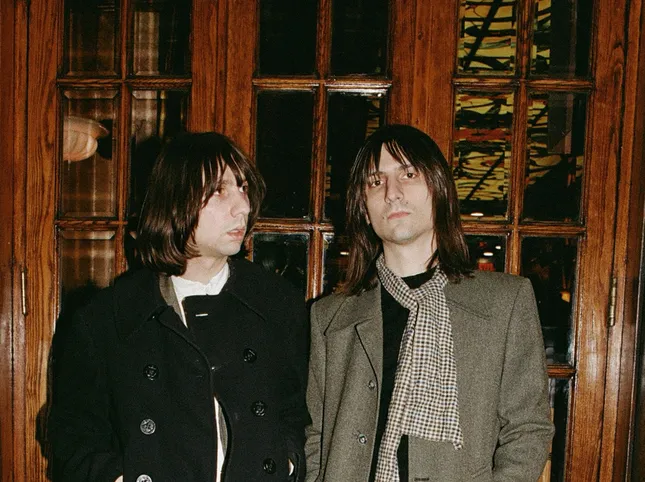
“I like beautiful melodies that say terrible things,” said Tom Waits. There is a subtext of restlessness even in the songs of one of the seemingly sunniest bands around, the Lemon Twigs: behind the 12-string jingle guitars, behind the Beach Boys-style vocal harmonies and behind an apparent nostalgia for a sound that takes you back to the ’60s and ’70s there is the current world coming through the cracks, the search for mental balance and the mind itself. The D’Addario brothers release what – in one of the stereotypes of music journalism – could be defined as “the album of consecration” for a band that in recent years has created a faithful and growing following: “Look for your mind!”, released on May 8th and will be followed by a tour that arrives in Italy in October: 2 in Bologna, 3 in Rome and 5 in Milan.
“When all the secrets have been told/ Your sordid past will then unfold/Your cards are laid out there in front of you/And you must reckon with the person you’ve become/When there is nowhere else to run”, are the first words of the album, those of the title track: just over 2 minutes, a perfect example of power pop that could have come out of the repertoire of the Byrds or Big Star. The contrast between melodic lightness and tension of the songs was not planned, they say “It’s simply the outside world filtering into our creative process. Writing is always a combination of reflecting the outside world and hiding, carving out a space to dream. For us the music and the melodies always guide, and we want the lyrics to enhance the music or at least not take anything away.” The themes cross the present, but are not only linked to current events. “The record deals with rather universal concepts that have been a part of human life and society forever. Class conflict, corrupt leaders, depression and relationship dynamics are all things that, one might say, reflect the current state of the world.”
And to say that there is not always a trace of depression or gloom in the melodies, at least superficially – also because, they explain, “Look for your mind!” it’s not a concept album; “We really worked one track at a time. We leave the sequence for the end.”
In this sense, the choice to be even more guitar-oriented also came along the way, without thinking of a nostalgic approach – which always works these days. I think bands like the Beach Boys or power pop is undeniably a sound we lean towards on this record. But what makes these groups’ best records last is the quality of the material, and that’s what we try to focus on.”
“In many tracks there is a more direct, more guitar-centric sound,” they continue. “Rickenbackers and 12-strings are quite central to some songs, for sure, because you can get a sound that really stands out from the other instruments. But it’s not really about changing the sound that distinguishes us, but rather about building songs with better melodies and lyrics, avoiding nostalgia or overly direct references. It’s a way to keep the songs interesting for the two of us. We want to surprise people who maybe know a lot of jangly guitar songs. There are little tricks that we end up repeating, arrangement conventions to which we remain bound, but the writing must always have an unexpected element, the content of the songs and the enthusiasm captured in the recordings are more important to us than completely changing our aesthetic or our sonic language, even if we try to evolve in that sense too.”
On a sound level, the novelty of the album is the way in which it was recorded: less two-man band and more band in the classic sense thanks to the contribution of the musicians who accompany them live. “After recording our previous records by overdubbing and playing a few instruments at a time, this time we wanted to try the opposite approach,” they say. “We rehearsed songs like Bring You Down’ and ‘You’re Still My Girl’ on tour and wanted to capture them exactly as we played them live.” An approach that returns an album built by accumulation, rather than by project, in which writing remains the center and music becomes, in their words, a space in which to reflect the world but also to hide and carve out a space to dream. And find your mind again: because if you “Far too blind to see/My enemy is me”, as they sing in the final “Your True Enemy”, sometimes guitars and melodies serve to open your eyes and see the world around us better.