Disciplining Kiss is difficult, but it’s worth it
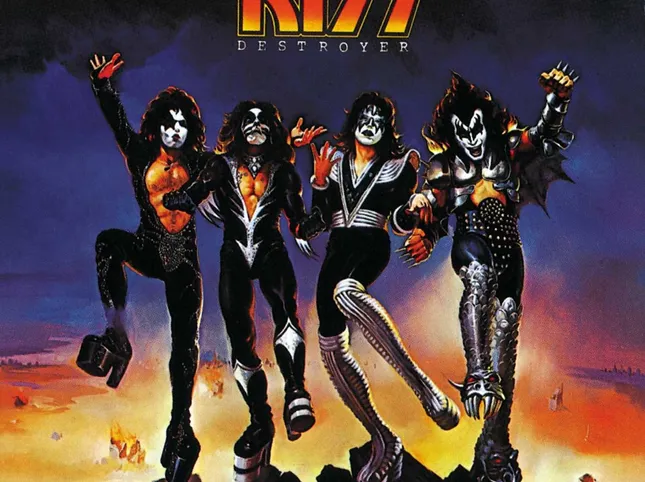
March 15, 1976, March 15, 2026. Exactly fifty years will have passed, tomorrow, since the Kissfresh from the saving success of “Alive!”, decided to risk everything by abandoning the raw street rock approach of the first three albums to embrace a colossal, cinematic and avant-garde production. “Destroyer” it is the album of commercial consecration, but above all it is the moment in which KISS stopped being a New York band to become a multimedia entity.
Bob Ezrin’s “dictatorship”: a methodological revolution
After three studio albums produced by Kerner and Wise, perceived as too “dry” compared to the power of the live performances, the band chose Bob Ezrin (fresh from success with Alice Cooper and Lou Reed). Ezrin didn’t just produce: he acted as a military-style instructor and musical mentor.
For starters, he imposed a Gene Simmons And Paul Stanley basic lessons on the structure of the composition. He introduced the use of the metronome and required members to wear gods whistles around the neckused to report errors or lack of attention. It was Ezrin who understood that, to obtain the required technical perfection, the guitarist Ace Frehley (often absent or poorly disciplined) sometimes had to be replaced. The shift worker Dick Wagner (already with Alice Cooper) played the solo of “Sweet Pain“ and the acoustic parts of “Beth“as well as collaborating heavily on “Flaming Youth“.
Sound engineering and experimentation
Recorded at Record Plant Studios in New York, the album took full advantage of the multitrack technologies of the time (16 and 24 tracks), taking them to the limit through techniques overdubbing massive. Unlike previous records, where the guitars were dry and with little sustainin “Destroyer” Ezrin he layered dozens of tracks. He used a combination of Marshall amplifiers for the body of the sound and small Pignose amplifiers for the mid and high frequencies, creating a grainy but extremely defined sound.
The sound of the drums Peter Criss underwent a radical transformation. Instead of capturing the kit as a whole, Ezrin focused on channel separation. The bass drum became a dull and powerful beat, almost a precursor to the metal productions of the 80s, while the snare was treated with natural reverberations obtained by placing microphones in the corridors and even in the elevator shafts of the studio.
The key songs
The intro to “Detroit Rock City” is a masterpiece of sound design ante-literam: the sound of the dishes being washed, listening to the radio (playing Kiss, obviously), starting the car and the final accident. Musically, the song is famous for its double tracked guitar harmoniesperformed with millimetric precision that recalls the style of Thin Lizzy but with a typically American aggressiveness.
Initially written by Paul Stanley as an up-tempo song, “God of Thunder” was slowed down drastically by Ezrin to fit Simmons’ “Demon” character. Gene’s voice was compressed and filtered to emphasize low frequencies, while disturbing children’s voices that are heard in the song are recordings of the sons of Ezrin, made via walkie-talkie toy that created a natural lo-fi distortion.
In “Great Expectations” KISS meets so-called classical music. Ezrin used the Brooklyn Boys Chorus and a whole orchestral section. The song openly quotes the theme of Beethoven’s “Piano Sonata No. 8 (Pathetic)”, rearranged in a symphonic rock key. It is technically the most complex song on the album in terms of mixing levels between orchestra and rhythm section.
But the ballad that changed the history of the band is “Beth“. It was recorded without Kiss playing a single instrument (with the exception of Peter Criss’ voice). It is a purely orchestral piece, where the technical challenge was to maintain the emotional fragility of Criss’ voice over an extremely dense arrangement of strings and brass.