The four greatest guitar solos in rock history
Choosing the four most important guitar solos in the history of rock is an almost impossible task. Yet the specialized site Ultimate Classic Rock tried to do so, identifying a hypothetical “Big 4” among thousands of solos which marked the evolution of rock music from the 1950s onwards.
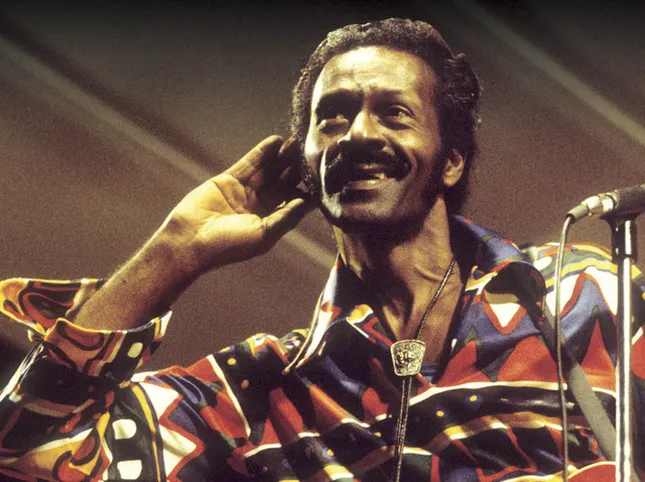
To draw up the selection, the editorial team excluded the instrumental pieces and the live versions, focusing exclusively on the solos present in the studio recordings. The goal was not to reward speed or virtuosity as an end in itself, but to identify those moments in which technique, personality and expressive ability blend to the point of elevating a song to something greater. THEThe first name chosen was Chuck Berry with “Johnny B. Goode” (1958). According to Ultimate Classic Rock, the American guitarist helped define the very vocabulary of rock guitar. The famous opening riff and the short but incisive central solo became a point of reference for generations of musicians, from Keith Richards onwards, helping to set the coordinates of what would become modern rock’n’roll. The second choice is “Voodoo Child (Slight Return)” by the Jimi Hendrix Experience, released in 1968 on the album “Electric Ladyland”. Here Hendrix takes the electric guitar to a whole new dimension, using wah-wah, feedback, distortion and improvisation to create a sonic experience that is still studied and analyzed today. The result is a solo that not only represents a demonstration of technical skill, but a true redefinition of the expressive possibilities of the instrument.
The list also includes “While My Guitar Gently Weeps” by the Beatles, a song from the famous “White Album”.. What makes the song memorable is above all the contribution of Eric Clapton, invited by George Harrison to record the solo. At the time, Clapton was already considered one of the greatest guitarists in the world and his performance, characterized by elegant and deeply emotional phrasing, became one of the most famous moments in the entire Beatles discography. A solo capable of amplifying the sense of melancholy and vulnerability present in the song.
Rounding out the quartet is Led Zeppelin’s “Stairway to Heaven.” Jimmy Page’s solo, included in the final part of the composition published in 1971, represents for many the perfect model of the rock solo: gradual construction of tension, balance between melody and technique and a progression that accompanies the piece towards its emotional climax. Despite decades of listening, imitations and attempts at reproduction by thousands of guitarists, it continues to be considered one of the absolute pinnacles in the history of rock. As Ultimate Classic Rock itself admits, any list of this type is inevitably bound to generate discussion. Huge names and equally iconic solos are left out, but the four choices identified have one thing in common: they don’t just embellish their respective songs, but rather have contributed to changing the way the guitar is played, listened to and imagined in rock music.