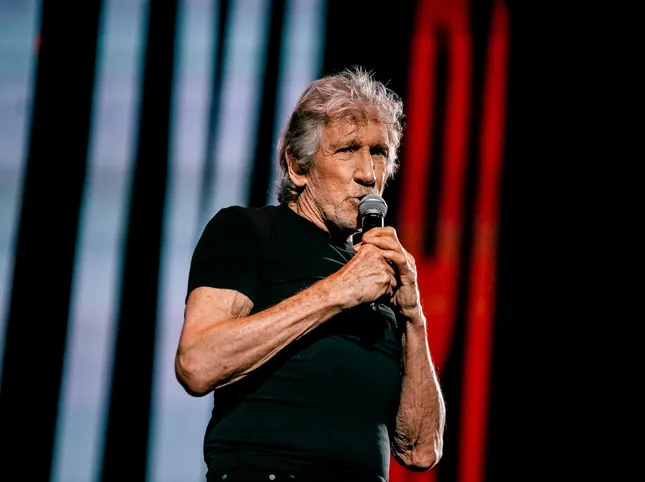
Roger Waters rewrites “Comfortably numb” in Arabic for Gaza
And Roger Waters rewrites “Comfortably numb” in Arabic to pay homage to the people of Gaza and Palestine. The version of the Pink Floyd classic that Waters recorded together with the singer of Palestinian origins Mona Miari has been released. The news of the collaboration was shared by the musician himself last month. The song is now out, accompanied by the related video clip. Arabic verses were included in the original English text, sung by Mona Miari.
The new verses focus on themes such as loss, resistance and collective hope. There is a form of connection with the meaning of the original version of Pink Floyd’s song. There the emotional center was internal alienation: the protagonist is an emotionally dissociated human being, who instead of reacting with anger or hope slips into a state of almost anesthetic detachment. “Comfortably numb” means just that: being “comfortably numb”. In the new version, however, alongside the pain there is hope.
In one verse Mona Miari sings:
“After all that’s happened / with no one left / all words have faded / why ask at all? / all that is lost / home… oh beloved home / the night falls silent and crumbles / oh beloved home… tell him / the branch of love / reaching for the stars / an open wound / that cries for freedom”.
That is to say:
“After all that has happened / with no one left / all the words have vanished / why ask again? / all that is lost / home… oh beloved home / the night falls silently and crumbles / oh beloved home… tell him / the branch of love / that stretches towards the stars / an open wound / that cries out for freedom”.
In another verse, however, the artist of Palestinian origins sings:
“When I was young I dreamed of freedom / hope blazes fierce in everything I am / like roots breaking through the rubble / we shape our fate / our light will break the darkness / we are the promise of a new dawn”
That is to say:
“When I was young I dreamed of freedom / hope burns fiercely in all that I am / like roots breaking up the rubble / we shape our destiny / our light will break the darkness / we are the promise of a new dawn”
In the first verse pain dominates. The images evoke someone who has lost their land, their family or a sense of belonging. The “home” doesn’t just seem like a physical place: it becomes a symbol of identity, memory and affection. Even the silence of the night that “crumbles” gives the idea of a broken world. In the second verse, however, the tone changes: from mourning we move on to determination. Freedom is no longer just desired, but becomes an internal strength: «Our light will break the darkness / we are the promise of a new dawn».
The video was made by editing some footage of the bombed Gaza Strip:
Roger Waters, as is known, is a fervent supporter of the Palestinian cause. The former Pink Floyd is one of the main promoters of the BDS (Boycott, Divestment and Sanctions) movement, which calls on artists, companies and institutions to boycott Israel as a form of non-violent pressure. According to this vision, the boycott would serve to push for the end of the occupation of the Palestinian territories, the recognition of equal rights for Palestinian citizens and the right of return for refugees. During his concerts and public speeches, Waters often used the stage as a political space. During the tours he projected messages and images related to the plight of the Palestinians and, on some occasions, displayed the Palestinian flag as a gesture of symbolic solidarity. He has also released numerous interviews and open letters in which he criticizes the policies of the Israeli government, defining the situation in the occupied territories with highly controversial terms such as “apartheid”.