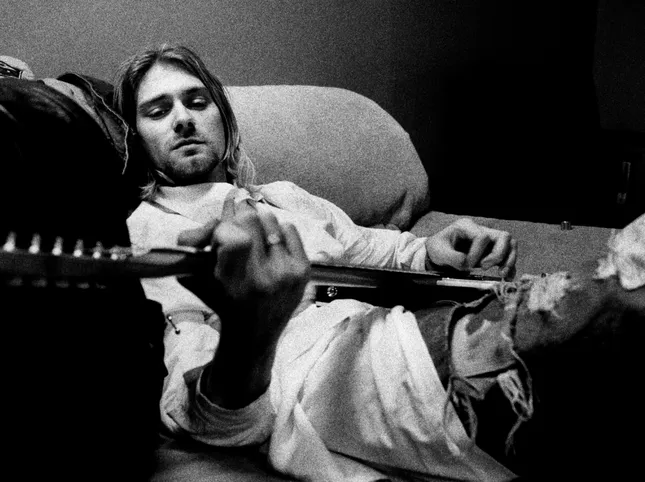
Seattle Police: “Kurt Cobain committed suicide.”
Seattle police and the King County Medical Examiner’s Office reiterated that the death of Kurt Cobain it was a suicide, after the release of a new independent report that supports the murder hypothesis. The Nirvana frontman was found dead in his home in April 1994, aged 27. The official autopsy concluded that the cause of death was a self-inflicted rifle shot, and the death was classified as suicide. A conclusion that, over the course of more than thirty years, has been periodically challenged by alternative theories and conspiracy theories.
The new complaints come from an unofficial group of private sector forensic consultants who, together with independent researcher Michelle Wilkins and specialist Brian Burnett, reviewed crime scene materials for three days. According to what some British newspapers reported, the team had identified inconsistencies compared to the original autopsy and would have written a peer-reviewed paper, accepted, they said, for publication in a forensic science journal. The points raised include alleged organ damage deemed “incompatible” with a gunshot death, questions about the location of the shotgun shelldoubts that Cobain’s hands were “too clean” and speculation that the musician may have been forced to take heroin before someone fired the fatal shot. The group also claims that the note left by the singer contains two different handwritings.
The authorities responded sharply to these statements. A spokesperson for the King County Medical Examiner’s Office said a full autopsy was conducted at the time in collaboration with law enforcement and that all procedures were followed correctly in determining suicide as the cause of death. The office said it was willing to review the case if new concrete evidence emerged, but said it had so far seen no evidence to justify reopening the investigation. The Seattle Police Department also confirmed the official position: The detective in charge concluded that Cobain died by suicide and that remains the department’s assessment. The story cyclically brings one of the most discussed cases in the history of rock back to the center of attentionfueling a debate that has lasted for over three decades. At the moment, however, the competent authorities do not believe that there is sufficient basis to change the official reconstruction of the facts.